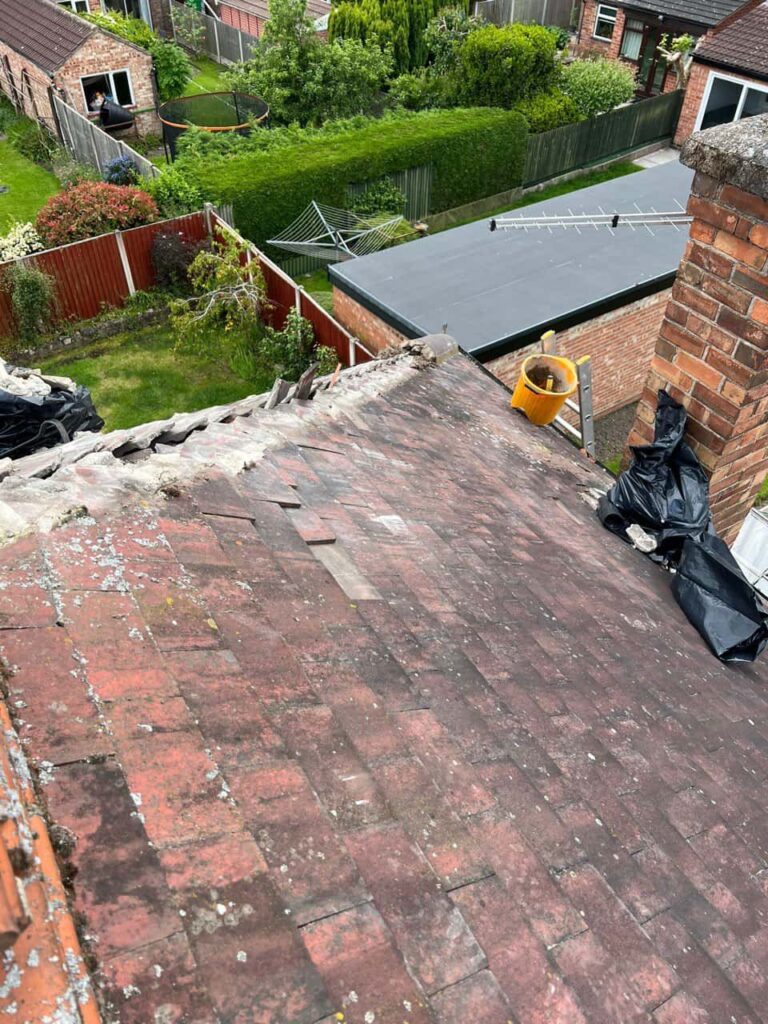
Roof tiles play an essential role in protecting a property from rain, wind and changing weather conditions. When one or more tiles slip out of position, the roof can become vulnerable to water ingress and further damage. Although a displaced tile may appear to be a minor issue, leaving it unattended can allow moisture to reach the roof structure and affect the ceilings or walls inside the property.
For homeowners in Newark on Trent, Nottingham, recognising the warning signs of slipped roof tiles can help prevent a small roofing problem from becoming more serious. Understanding the common causes and available repair solutions also makes it easier to know when professional roofing assistance is needed.
What Causes Roof Tiles to Slip?
Roof tiles can move for several reasons, including natural wear, weather exposure and problems with the materials securing them in place. Identifying the underlying cause is important because simply repositioning a tile may not provide a lasting solution.
Strong Winds and Severe Weather
Strong winds can lift or dislodge roof tiles, particularly where fixings have weakened or tiles were already loose. Repeated exposure to changing weather conditions can gradually affect the stability of roofing materials.
After a period of high winds or heavy rain, it is sensible to look for visible changes to the roof from ground level. Missing tiles, uneven roof lines or pieces of roofing material around the property may indicate that an inspection is needed.
Ageing Fixings and Roofing Materials
Roofing fixings can deteriorate over time, reducing their ability to hold tiles securely. Older roofs may also have cracked tiles, worn battens or other components that no longer provide reliable support.
When the fixings fail, tiles can gradually move out of alignment, creating gaps that expose the roof beneath. A proper repair should address the condition of the surrounding materials rather than focusing solely on the displaced tile.
Poor Installation or Previous Repairs
Incorrectly fitted tiles or unsuitable fixings can increase the likelihood of movement. Problems may also develop when previous repairs have not adequately secured the affected section.
If the same area experiences repeated tile movement, a more detailed assessment may be necessary to determine whether there is an underlying installation or structural issue.
Warning Signs of Slipped Roof Tiles
Not every roofing problem is immediately obvious from inside a property. However, several signs can indicate that tiles have moved and require attention.
Uneven or Misaligned Roof Tiles
Roof tiles should generally form consistent, overlapping rows. Tiles that appear raised, tilted or out of line may have slipped from their original position.
A noticeable gap in the roof covering can allow rainwater to reach the underlay or other underlying components. Avoid climbing onto the roof to investigate, as the surface may be unstable and difficult to access safely.
Water Leaks and Damp Patches
Water stains on ceilings, damp patches in the loft or moisture around the upper sections of walls may indicate a roofing problem. Slipped tiles can create an entry point for rainwater, although leaks may also originate from flashing, roof valleys or other components.
If dampness appears after rainfall, arranging a professional roof inspection can help identify the source and determine the appropriate repair.
Loose Tiles and Debris on the Ground
Fragments of broken tiles or pieces of roofing material around the property can indicate damage, particularly following strong winds. In some cases, displaced tiles may be difficult to see from the ground, making other signs of damage especially important.
Prompt attention helps reduce the risk of further tile movement and prevents loose materials from creating additional hazards.
How Are Slipped Roof Tiles Repaired?
The correct repair depends on the condition of the tiles, the roof structure and the reason the movement occurred. A professional roofer will assess the affected area before deciding on the most suitable solution.
Repositioning and Securing Loose Tiles
Where tiles remain in good condition and the supporting materials are sound, they may be carefully repositioned and secured using appropriate fixings. This restores the intended overlap between tiles and helps protect the roof from rainwater.
However, simply moving a tile back into place may not be sufficient if the original fixing has failed. The cause of the movement should be addressed to help prevent the problem from recurring.
Replacing Cracked or Missing Tiles
Tiles that are broken, badly damaged or missing will generally need to be replaced. Suitable replacement tiles should fit the existing roof covering and maintain the correct overlap, helping preserve the roof’s weather resistance.
The surrounding tiles should also be checked for looseness or damage, as a single displaced tile can sometimes indicate a wider problem.
Inspecting Underlying Roofing Components
If slipped tiles have allowed water to enter the roof, the underlay, battens and nearby timber may need to be examined. Any damaged components should be assessed and repaired where necessary.
Addressing these underlying issues is important because replacing the visible tiles alone may not resolve the problem if the supporting structure has deteriorated.
Why Prompt Roof Repairs Matter in Newark on Trent, Nottingham
A slipped roof tile can leave an opening through which rainwater may penetrate the roof covering. If the problem continues, moisture can affect insulation, internal finishes and timber components, potentially leading to more extensive repairs.
Prompt action can help limit water ingress and protect the overall condition of the roof. It is particularly important to seek professional assistance when tiles are visibly loose, leaks have developed or damage follows severe weather.
Newark on Trent Roofing Repairs can assess slipped roof tiles, identify contributing problems and carry out suitable repairs to help restore the roof’s protective covering.
Conclusion
Slipped roof tiles should not be ignored, even when the damage appears minor. Strong winds, ageing fixings, damaged tiles and previous installation problems can all contribute to movement, while warning signs include uneven roof lines, loose debris and water stains indoors.
For homeowners in Newark on Trent, Nottingham, arranging a professional inspection can help identify the cause and prevent further deterioration. If you have noticed displaced tiles, missing sections or signs of a roof leak, contact Newark on Trent Roofing Repairs to discuss your roofing concerns and arrange the appropriate repair work.
Call us on: 01636 556 194
Click here to find out more about Newark on Trent Roofing Repairs
Click here to complete our contact form and see how we can help with your roofing needs.