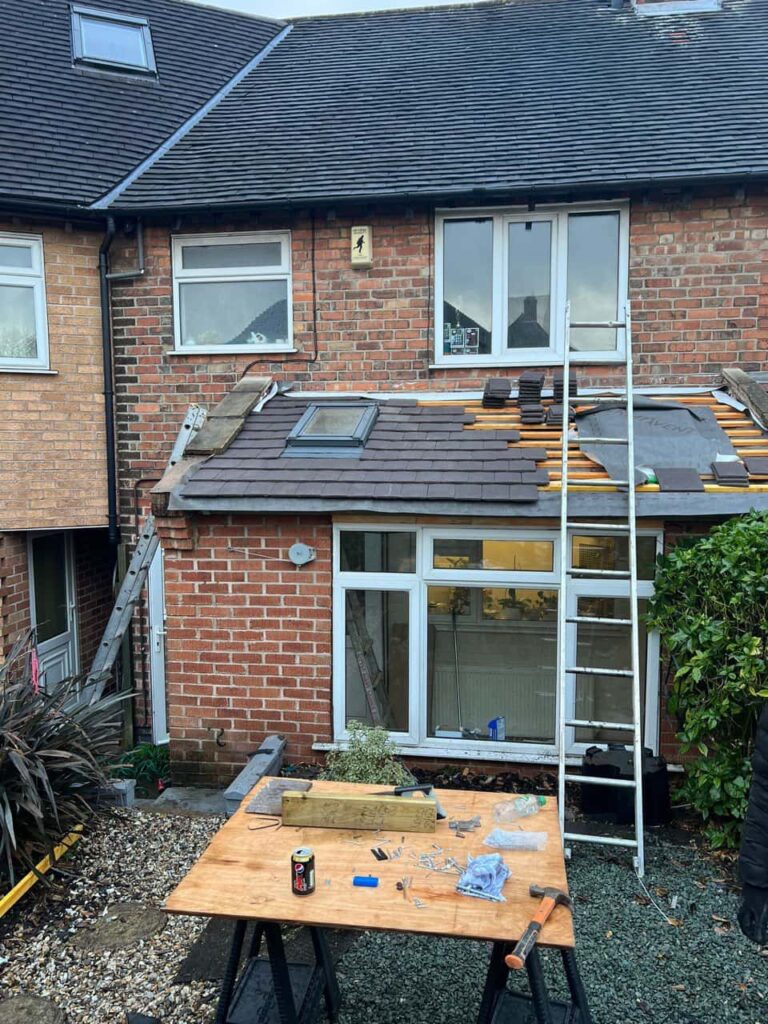
Your roof is designed to protect your home from the elements every day of the year. However, even the highest-quality roofing materials are continually exposed to changing weather conditions that gradually affect their performance. Wind, rain and frost all place different types of stress on a roof, and while the damage may not be immediately obvious, it can build up over time if left unchecked.
For homeowners in Newark on Trent, Nottingham, understanding how the weather affects a roof is an important step towards preventing costly repairs and maintaining the long-term condition of the property. At Newark on Trent Roofing Repairs, we provide professional roof inspections and repairs that help identify weather-related issues before they develop into more serious problems.
The Impact of Strong Winds
Wind is one of the most common causes of roofing damage.
During periods of high winds, roof tiles can be subjected to powerful uplift forces, particularly around the edges, ridges and corners of the roof. Even securely fitted tiles may begin to loosen if the roof has aged or if previous weather has weakened fixings.
Strong winds can also:
- Lift roof tiles or slates
- Loosen ridge tiles
- Damage lead flashing
- Dislodge guttering
- Expose vulnerable areas of the roof
Once a tile becomes displaced, neighbouring tiles may also become vulnerable to further movement.
How Rain Affects Roofing Materials
Rainwater is expected to run safely off a healthy roof, but problems arise when roofing materials begin to deteriorate.
Cracked tiles, damaged flashing or worn roof valleys can allow water to enter beneath the roof covering. Once moisture reaches the underlying structure, it can affect roof timbers, insulation and internal ceilings if repairs are delayed.
For homeowners in Newark on Trent, Nottingham, regular inspections help identify small defects before persistent rainfall has the opportunity to cause more extensive damage.
Frost and Freeze-Thaw Damage
Frost may seem harmless, but it can have a significant effect on roofing materials over time.
Small cracks in tiles or mortar can allow moisture to enter. When temperatures fall below freezing, the trapped water expands as it turns to ice. This repeated freeze-thaw cycle gradually enlarges cracks and weakens roofing components.
Over several seasons, this natural process can contribute to:
- Cracked roof tiles
- Deteriorating mortar
- Loose ridge tiles
- Reduced weather resistance
Weather Damage Often Builds Up Slowly
Unlike storm damage, which is usually obvious, weather-related deterioration often develops gradually.
A roof may continue to function while small problems accumulate beneath the surface. By the time leaks or visible defects appear, the roof may already require more extensive repairs than would have been necessary if the issues had been identified earlier.
Routine inspections allow these subtle signs of wear to be detected before they worsen.
The Importance of Lead Flashing
Lead flashing protects some of the most vulnerable parts of a roof, including chimneys, roof valleys and wall junctions.
Years of exposure to wind, rain and temperature changes can gradually affect flashing, allowing water to enter the roof if repairs are not carried out promptly.
Checking flashing during regular roof inspections is an essential part of maintaining a weatherproof roof.
Gutters Play an Important Role
Although gutters are separate from the main roof covering, they play a vital role in protecting the roofing system.
Blocked or damaged gutters prevent rainwater from draining efficiently, allowing moisture to back up beneath roof edges or overflow onto external walls. Keeping gutters clear helps reduce unnecessary strain on the roof throughout the year.
Why Regular Roof Inspections Matter
Many weather-related roofing problems begin as minor defects that are not visible from ground level.
Professional inspections allow experienced roofers to assess:
- Roof tiles or slates
- Ridge and hip tiles
- Lead flashing
- Roof valleys
- Chimneys
- Fascias, soffits and guttering
- Signs of general weathering
Early detection often allows straightforward repairs that help extend the life of the roof.
Professional Repairs Protect Your Home
Effective roof repairs involve more than simply replacing damaged tiles.
Professional roofers investigate the underlying cause of any defects, ensuring repairs restore the roof’s ability to withstand future weather conditions. Addressing problems at an early stage helps prevent recurring issues and protects the overall integrity of the roofing system.
At Newark on Trent Roofing Repairs, we provide comprehensive roof inspections and repair services throughout Newark on Trent, Nottingham. Our experienced team helps homeowners keep their roofs in excellent condition through careful assessment and high-quality workmanship.
Conclusion
Wind, rain and frost all play a part in the gradual ageing of a roof. While the effects may develop slowly, they can eventually lead to loose tiles, leaks, damaged flashing and structural deterioration if left untreated. Regular inspections and prompt repairs are the most effective way to minimise weather-related damage and extend the lifespan of your roof.
For homeowners in Newark on Trent, Nottingham, Newark on Trent Roofing Repairs provides professional roof inspections and expert repair services designed to keep your roof strong, secure and weatherproof throughout every season. If your roof has not been inspected recently, arranging a professional assessment is an excellent way to protect your home for years to come.
Call us on: 01636 556 194
Click here to find out more about Newark on Trent Roofing Repairs
Click here to complete our contact form and see how we can help with your roofing needs.